
International Abrahamic Forum Steering Team Retreat 2025
From October 30 to November 3, 2025, The International Abrahamic Forum (IAF) Steering Team met in New York to conduct strategic planning, consultations with interfaith leaders, and site visits to religious communities. The retreat included consultations with two groups of interfaith leaders as well as the director of the Milstein Center for Interreligious Dialogue, Rabbi Dr. Burton Visotzky, and the Executive Board of the ICCJ. The team also made site visits to three religious communities for religious services. Consultation dinners were sponsored by the Milstein Center for Interreligious Dialogue at JTS.
Strategic Planning
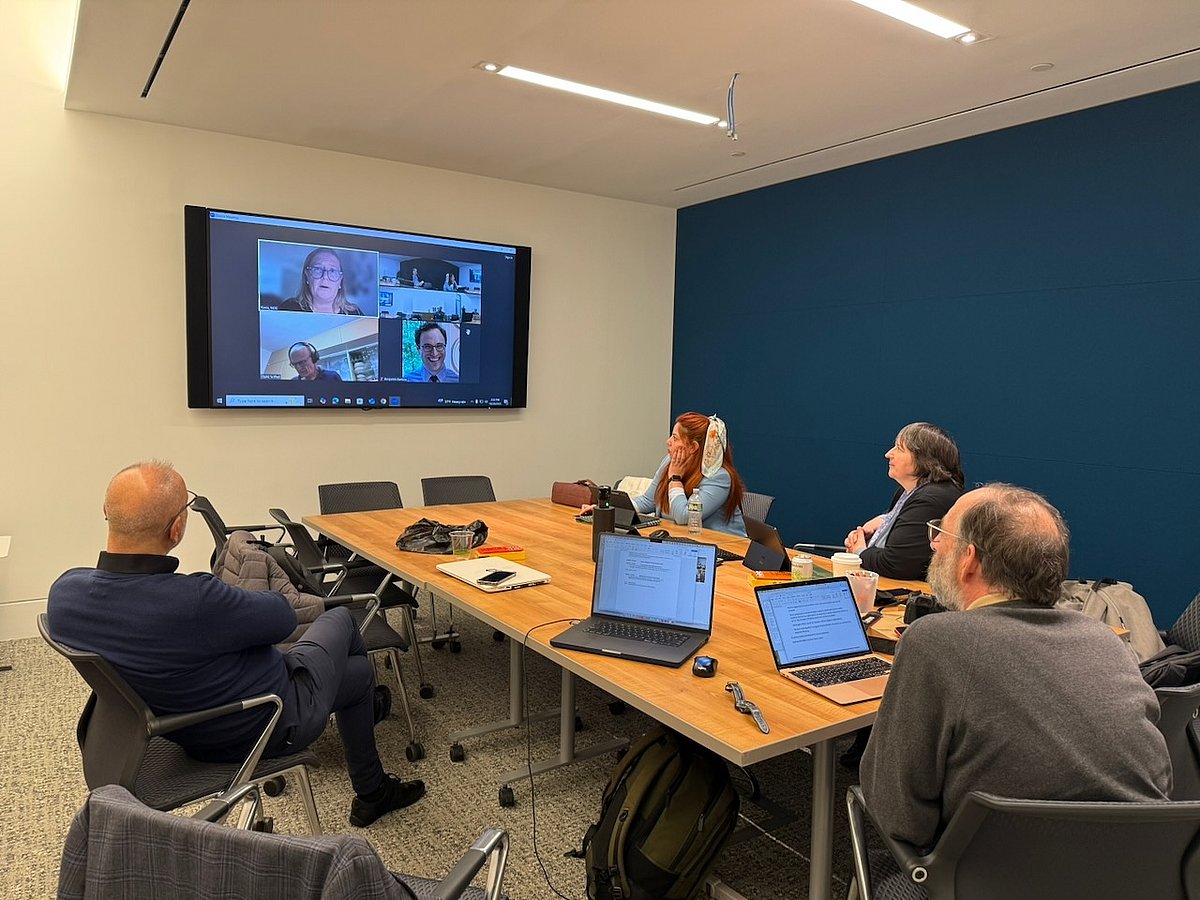
The steering team worked on programming strategy, target audiences, and the IAF's value proposition. Discussions addressed the need for clear protocols depending on activity type and audience, recognizing that participants have varying levels of religious education, cultural backgrounds, and openness to trilateral dialogue across different geographical contexts.
The team identified three types of programming:
- Webinars for broad public audiences
- Workshops targeting specific expertise areas
- Intimate gatherings designed to build relationships over time
Strategic discussions addressed several fundamental questions about the IAF's work:
- How to measure impact and transformation
- How to avoid duplicating existing work and focus on the IAF's distinctive contribution
- How to articulate trilateral dialogue in a way that honors the historically special relationship between Jews and Christians while cultivating meaningful bilateral relationships that account for the third faith
- How to address differing experiences of coexistence across cultural contexts
- How to balance network maintenance with limited organizational capacity
The retreat identified several ongoing organizational needs:
- Maintaining consistency in programming and communications
- Providing training opportunities for staff, volunteers, clergy, and leadership
- Creating spaces for trilateral organizations to share challenges and learn from one another
- Building capacity to measure impact
- Maintaining network connections between major events
- Addressing the challenge that enthusiasm often exceeds organizational capacity
The retreat established that the IAF's role is to build resilience in communities navigating interfaith engagement. The team recognizes that transformation takes time, trust must be earned, and the work requires embracing complexity.
Consultations

The first consultation with an interfaith group engaged leaders focused on the role of dialogue in the international system. Our conversation included partners from the UN Multi-Faith Advisory Council, the World Jewish Congress, Soka Gakkai International, the American Jewish Committee, the Church of Jesus Christ of Latter Day Saints, the Jewish Theological Seminary, and Lead Integrity. The conversation focused on network expansion strategies and positioning the IAF within the broader interfaith ecosystem. Participants discussed expanding the reach of the IAF beyond the ICCJ’s current ecosystem by leveraging established networks to collect and disseminate best practices. The discussion addressed differentiating between interreligious dialogue and multifaith collaboration, focusing on the importance of candor and the power of honest conflict between parties as a part of building trust.

The second consultation brought together New York-based interfaith leaders to reflect on practical challenges facing local dialogue efforts. Conversation partners included leaders from Interfaith Center New York, the Interfaith Coalition of Brooklyn, Barnard College, the Hendel Center for Ethics and Justice at the Jewish Theological Seminary, the Jewish Council for Public Affairs, the Sisters of Sion, and the Focolare. Topics included the risks organizations face in value-diverse partnerships; the need for training and capacity building for clergy and leadership; and the importance of meeting communities in the present moment. Participants explored how to cultivate resilience when navigating terminology that can cause conflicts and the need to resolve internal communal conflicts before addressing external conversations. The conversation also addressed the challenges of representation and attrition in interfaith work, and particularly the gaps in organizational capacity in Muslim communities.
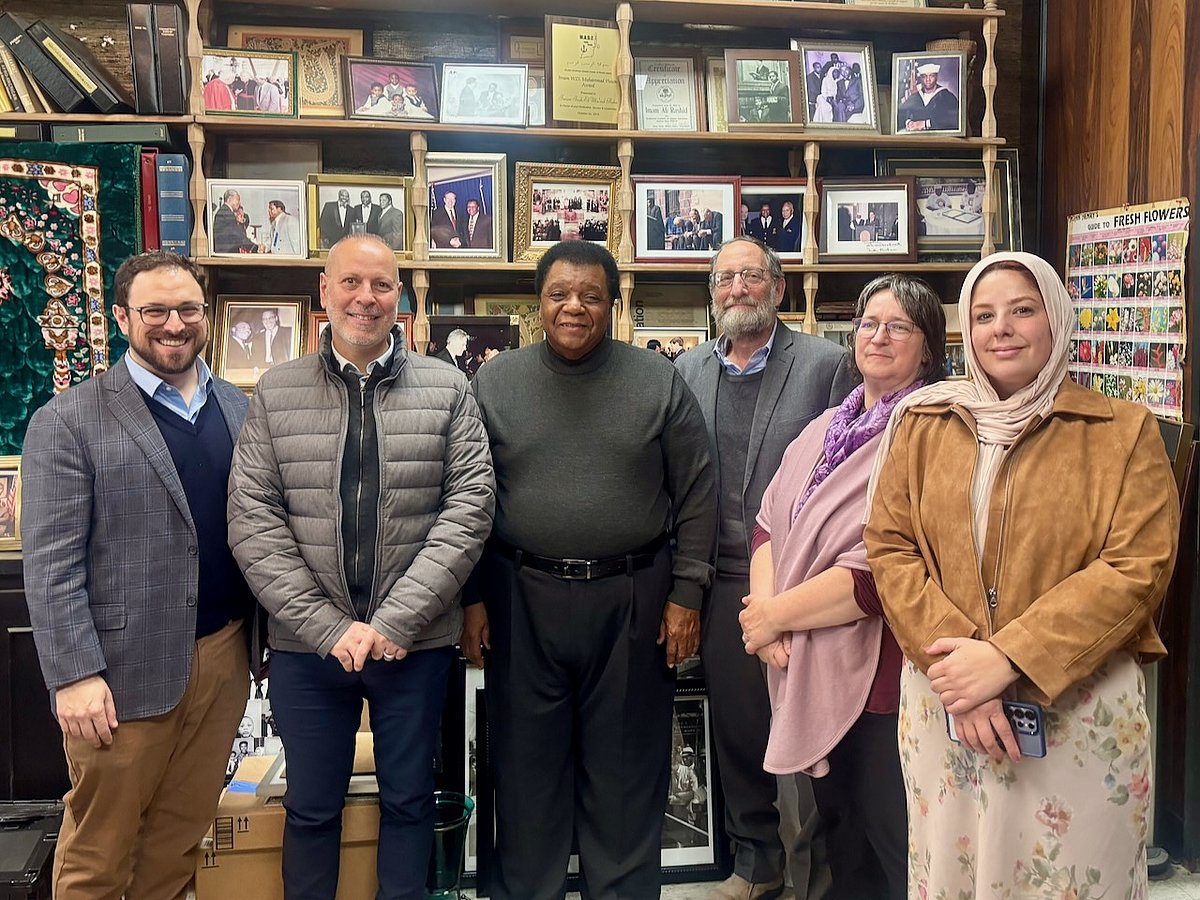
The steering team met with available members of the Executive Board of the ICCJ to get a clearer sense of how the IAF might serve the ICCJ’s mission. And the team also met with Rabbi Dr. Burton Visotzky, Director of the Milstein Center, who shared the history of dialogue at JTS and his expertise in many years of Muslim-Jewish dialogue, with particular focus on post-October 7th efforts. The steering team also visited three religious communities in New York for services: Masjid Malcolm Shabazz, Kehillat Harlem, and St. Eleftherios Church.